
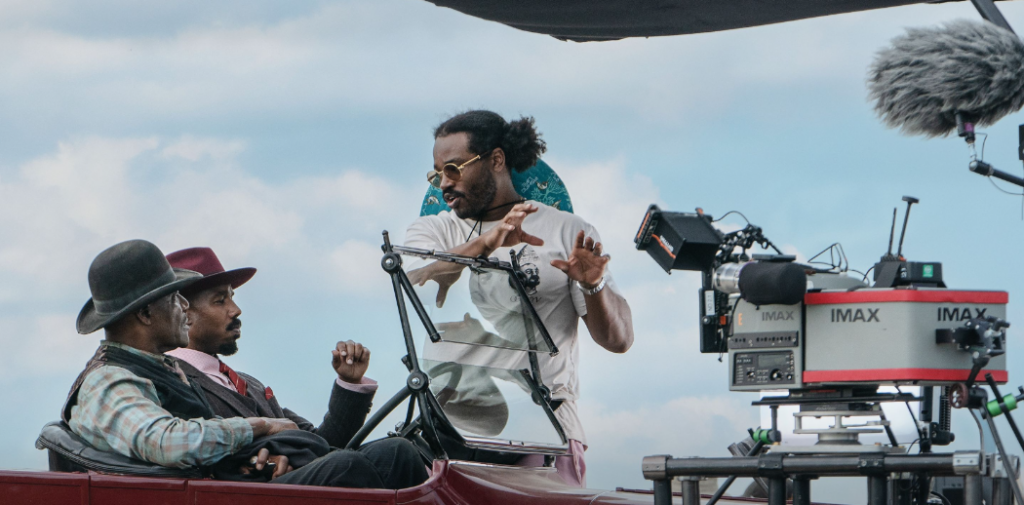
Sinners’ director Ryan Coogler takes us to film school in 10 minutes | CNN
In an industry long defined by gatekeepers, backroom deals, and legacy power structures, Ryan Coogler has just redrawn the blueprint.
Fresh off a career that already includes cultural milestones like Black Panther and Creed, Coogler has now positioned himself at the center of one of the most groundbreaking moments in modern Hollywood history. His latest film, Sinners, didn’t just capture attention… it captured power.
And as of Thursday, January 22, 2026, that power became undeniable: 16 Academy Award nominations, placing Sinners among the most nominated films ever, before a single Oscar has even been handed out.
But the real story? It started long before the nominations.
The Deal: Ownership, Control, and Legacy
What Coogler negotiated with Warner Bros. wasn’t just a contract… it was a paradigm shift.
Traditionally, major studios maintain tight control over intellectual property, backend profits, and distribution rights. Directors, even elite ones, rarely retain meaningful ownership. Coogler changed that.
Key Elements of the Groundbreaking Deal
1. Partial Ownership of the Film IP
Coogler secured a rare stake in Sinners itself, meaning he doesn’t just earn from directing; he owns a piece of the asset. In Hollywood terms, that’s generational wealth territory.
2. First-Dollar Gross Participation
Instead of waiting for profits after expenses (where studios often “Hollywood-account” films into appearing unprofitable), Coogler negotiated first-dollar gross points, earning from revenue as soon as money comes in.
3. Creative Autonomy
No excessive studio interference. Coogler retained full creative control, from casting to final cut… something even top-tier directors often have to fight for.
4. Backend Revenue Across Platforms
The deal extends beyond theaters into streaming, licensing, and international distribution, ensuring long-term income streams.
5. Strategic Partnership Structure
Rather than a one-off paycheck, this was structured as a partnership, aligning Coogler with Warner Bros. as a collaborator… not just hired talent.
Why This Deal Is Revolutionary
Hollywood has always been a business where creators generate billions, but rarely own what they create.
Coogler flipped that script.
He followed a lineage of power moves seen from figures like Tyler Perry, who built an empire through ownership, but did so within the traditional studio system, not outside of it.
That distinction matters.
Instead of building independently and forcing Hollywood to come to him, Coogler restructured the system from the inside, proving that:
- Black creators can demand equity, not just opportunity
- Studios will agree, when the vision and leverage are undeniable
- Ownership is no longer optional… it’s the future
The Film: “Sinners” and Cultural Impact
Sinners, starring Michael B. Jordan, is more than a film. It’s a layered exploration of morality, power, and consequence, delivered through Coogler’s signature blend of emotional depth and cinematic scale.
Critics and insiders alike have pointed to:
- Bold storytelling choices
- Elite performances
- Technical mastery across cinematography, score, and editing
These elements have now translated into 16 Oscar nominations, placing Coogler in rare air before awards night even begins.
The Financial Blueprint: How Ryan Coogler Turned Sinners Into a Wealth Engine
When we talk about Ryan Coogler and Sinners, we’re not just talking about a successful film… we’re talking about a financial architecture designed for long-term wealth, leverage, and legacy.
Let’s go deeper… because what Coogler structured with Warner Bros. isn’t just lucrative… it’s layered, strategic, and potentially transformational for how creators get paid.
1. First-Dollar Gross: The Money Starts Immediately
Most Hollywood deals operate on net profit participation, which sounds good but often isn’t. Studios subtract marketing, distribution, and overhead costs before paying talent, sometimes leaving even blockbuster films “unprofitable” on paper.
Coogler avoided that trap entirely.
What First-Dollar Gross Really Means:
- He earns a percentage from total revenue, not profit
- Payments begin from the first ticket sold
- No waiting for studios to “recoup”
Example Breakdown:
If Sinners generates:
- $500 million global box office
- And Coogler earns even 5% first-dollar gross
That’s $25 million upfront participation, before streaming, licensing, or awards boosts even kick in.
Now scale that to $700M–$1B potential?
$35M–$50M+ from theatrical alone
That’s elite-tier money on just one revenue stream.
2. Ownership Equity: The Real Power Play
This is where things shift from income… to wealth.
By securing ownership in Sinners, Coogler created something most directors never get:
An appreciating asset
Why Ownership Changes Everything:
- The film becomes a long-term revenue generator
- He earns from every future use of the film
- Value increases with cultural relevance and awards prestige
Think about films that still generate money decades later. Ownership means Coogler is tied to that forever revenue cycle.
3. Streaming & Licensing: The Second Wave of Money
After theatrical release, films enter what insiders call the “second window”… and this is where modern deals explode in value.
Key Revenue Channels:
- Streaming platform licensing
- Premium video-on-demand (PVOD)
- Cable & network distribution rights
- International streaming rights
A film with 16 Oscar nominations becomes significantly more valuable in these negotiations.
Why This Matters:
- Awards prestige increases licensing fees
- Platforms pay premiums for “award-caliber” content
- Global demand multiplies earnings
Coogler’s backend participation means he continues earning as Sinners travels across every platform worldwide.
4. Awards Season Economics: Prestige = Profit Multiplier
The 16 Oscar nominations aren’t just symbolic… they’re financial accelerators.
Historically, nominated films see:
- Box office re-releases
- Increased ticket sales post-nominations
- Higher streaming valuation
- Expanded international distribution
If Sinners wins major categories, its lifetime revenue could increase 20–50% or more.
And because Coogler is tied to gross + backend + ownership, every award win directly impacts his income.
5. Ancillary Revenue: The Hidden Goldmine
This is where many people underestimate the real money.
Additional Revenue Streams:
- Merchandise & branded collaborations
- Soundtrack & music licensing
- Airline & hotel distribution rights
- Educational and institutional licensing
- Physical media (collector releases)
Individually small, but collectively powerful, these streams form a long-tail revenue engine that can last decades.
6. Franchise & Expansion Potential
If Sinners evolves into a franchise, Coogler’s deal becomes even more powerful.
Potential Expansion Paths:
- Sequels or prequels
- Spin-offs (TV or streaming series)
- Expanded universe storytelling
- International adaptations
Because of his ownership stake and deal structure, Coogler isn’t just a returning director… he’s a primary stakeholder in the entire ecosystem.
That’s where fortunes multiply.
7. Career Leverage: The Multiplier Effect
Here’s the part most people overlook…
This deal doesn’t just pay Coogler… it raises his market value permanently.
After Sinners, Coogler can:
- Command $20M–$30M+ directing fees
- Negotiate ownership on future projects
- Launch production ventures with stronger leverage
- Attract elite talent and investors automatically
In other words, Sinners is not just a payday… it’s a career valuation reset.
8. The Long-Term Projection: What This Could Become
When you combine all revenue layers:
- Theatrical (first-dollar gross): $30M–$50M+
- Streaming & licensing: $20M–$40M+
- Ownership residuals over time: $50M+
- Franchise potential: Unlimited upside
Total Potential: $100 million to $200+ million over time
And that’s conservative if the film becomes a cultural classic.
Pre-Oscars Momentum: More Than Just Nominations
The 16 nominations signal more than critical acclaim… they signal industry validation of a new power model.
Awards voters aren’t just recognizing a film. They’re recognizing:
- A director who negotiated from strength
- A business model rooted in ownership
- A creative vision uncompromised by traditional constraints
As Oscars night approaches, Sinners isn’t just a contender—it’s a statement.
The Ripple Effect: Inspiring the Next Generation
This moment will echo far beyond Hollywood.
For emerging filmmakers, entrepreneurs, and creatives, especially within underrepresented communities, Coogler’s deal sends a clear message:
Don’t just ask for a seat at the table.
Negotiate ownership of the table.
Film schools will study this deal.
Agents will reference it.
Studios will adapt to it.
And young creators watching from neighborhoods across the country will begin to think differently about what’s possible.
Final Word: A New Era Has Begun
Ryan Coogler didn’t just make a movie.
He made a move.
With Sinners, he has:
- Delivered one of the most celebrated films of the year
- Secured one of the most progressive deals in Hollywood history
- Positioned himself as both a creative visionary and business strategist
And with 16 Oscar nominations already secured, the only question left is not whether Coogler has changed the game…
It’s how many people will follow his lead.




Be the first to comment