
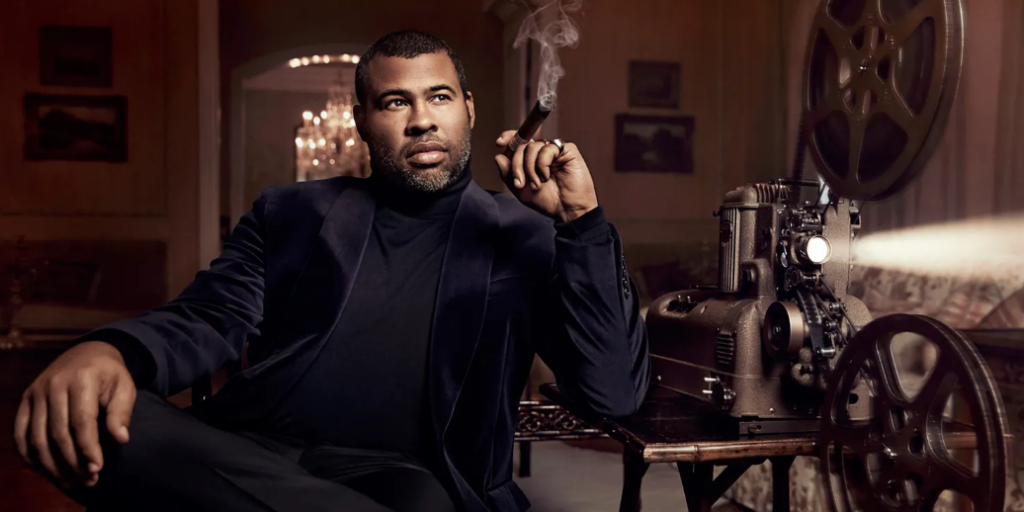
Office Hours with Jordan Peele | Vanity Fair
Over the past decade, Hollywood has experienced something that once seemed rare: a powerful surge of creative voices reshaping mainstream entertainment. At the center of this cultural shift is a generation of visionary Black filmmakers who are not just participating in the industry but are redefining it. Directors like Ryan Coogler, Jordan Peele, Ava DuVernay, and media mogul Tyler Perry are leading a movement that has expanded the possibilities for storytelling across film, television, and streaming platforms.
What makes this moment remarkable is not simply representation… it’s ownership, vision, and cultural authenticity. These filmmakers are telling stories rooted in real experiences, exploring history, identity, power, humor, and imagination through a lens that had historically been underrepresented in mainstream cinema.
And audiences across the world are responding.
A Cultural Turning Point in Cinema
The turning point for this new era arguably arrived in 2018 with the global success of Black Panther. Directed by Ryan Coogler and starring the late Chadwick Boseman, the film shattered box office expectations, earning over $1.3 billion worldwide and becoming a cultural milestone.
More importantly, Black Panther proved that films centered around Black culture could dominate the global box office while maintaining artistic depth and cultural pride. Wakanda, a fictional African nation untouched by colonialism, became a powerful symbol of Afrofuturism and imagination.
Around the same time, Jordan Peele was reshaping the horror genre with Get Out, a psychological thriller that explored racism in modern America through suspense and satire. The film won Peele the Academy Award for Best Original Screenplay, making him the first Black writer to win in that category.
Peele followed it with films like Us and Nope, demonstrating that genre filmmaking can still carry powerful social commentary.
Meanwhile, Ava DuVernay elevated historical storytelling with the Oscar-nominated film Selma and later expanded into television with projects like the Emmy-winning limited series When They See Us.
These filmmakers aren’t just creating entertainment… they’re creating cultural memory.
Tyler Perry and the Power of Ownership
One of the most influential figures in this movement operates slightly outside the traditional Hollywood system.
Tyler Perry built an entertainment empire from the ground up. What began as stage plays and the beloved Madea character eventually expanded into film, television, and one of the largest production facilities in America: Tyler Perry Studios.
Located in Atlanta, the 330-acre studio lot has become a major hub for film and television production, attracting projects from companies like Netflix, Amazon Studios, and Disney.
Perry’s model emphasizes ownership, which is something historically rare for Black creators in Hollywood. By financing and controlling his productions, he has demonstrated how creative independence can translate into massive economic power.
For many emerging filmmakers, Perry’s journey serves as proof that success in entertainment doesn’t always have to follow Hollywood’s traditional gatekeeping structure.
Streaming Platforms Changed the Game
The rise of streaming platforms has also helped fuel this new era of diverse storytelling.
Services like Netflix, Amazon Prime Video, and Apple TV+ have created a global demand for original content. That demand has opened doors for voices that previously struggled to break through the studio system.
Today, audiences can watch films from emerging Black directors alongside major Hollywood productions with just a click. Stories that once might have been considered “niche” are now reaching global audiences.
This shift has allowed filmmakers to explore genres beyond traditional narratives—science fiction, psychological horror, fantasy, and experimental storytelling are now firmly part of the creative landscape.
The result? A richer, more diverse cinematic universe.
The Next Generation Is Already Here
While established filmmakers continue pushing boundaries, a new wave of creators is already stepping forward.
Directors like Nia DaCosta, who directed Candyman and The Marvels, and Barry Jenkins, the Oscar-winning director of Moonlight, represent the next evolution of cinematic storytelling.
These creators bring bold visual styles and deeply personal narratives that resonate with audiences across cultures. Their success signals that this movement is not temporary, it’s becoming the new foundation of Hollywood storytelling.
And for younger viewers, especially those growing up in diverse urban communities, seeing filmmakers who reflect their perspectives is both empowering and inspiring.
Why This Moment Matters
Hollywood has always had the power to shape cultural perception. For decades, however, the industry often told stories about Black communities rather than stories from within them.
What makes today’s era so important is authenticity.
These filmmakers are presenting complex characters, nuanced cultural narratives, and stories that reflect the real diversity of Black experiences… from historical struggles to futuristic imagination.
This is storytelling that doesn’t rely on stereotypes. Instead, it celebrates creativity, resilience, humor, intelligence, and cultural depth.
In other words, the narrative is no longer limited.
The Future of Entertainment
If the past decade has shown us anything, it’s that audiences crave fresh perspectives. They want stories that feel real, imaginative, and culturally meaningful.
The continued success of filmmakers like Ryan Coogler, Jordan Peele, Ava DuVernay, and Tyler Perry proves that when diverse voices are given the resources to create, the results are not just culturally impactful—they’re commercially successful.
And that combination is exactly what keeps Hollywood evolving.
As studios, streaming platforms, and global audiences continue embracing new voices, the future of entertainment looks more inclusive, more creative, and more powerful than ever before.
For viewers around the world, especially for the next generation of storytellers, this moment represents more than a trend.
It represents a movement!



Be the first to comment