
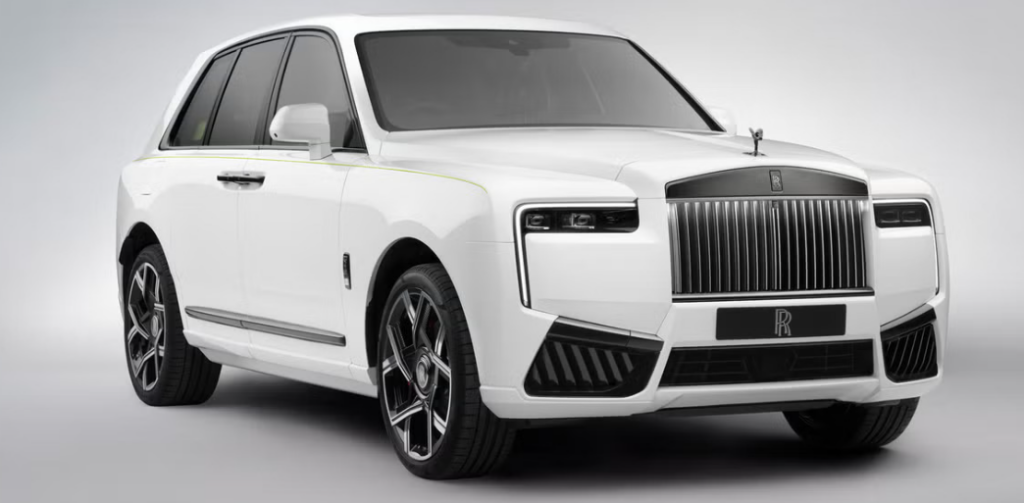
For generations, automobiles have represented more than just transportation. They symbolize freedom, innovation, and personal achievement. Within urban culture especially, luxury automobiles have become powerful statements of success and lifestyle.
From high-performance sports cars to ultra-luxury sedans, premium vehicles are often associated with the intersection of ambition, style, and status. Today, exotic cars are not only admired for their engineering excellence but also for their cultural significance.
Across music, film, and sports, luxury vehicles continue to represent the rewards of hard work and entrepreneurial success.
The Evolution of Automotive Status
The relationship between automobiles and status dates back to the early days of the automotive industry. Premium brands quickly emerged as symbols of wealth and prestige.
Manufacturers such as Ferrari, Lamborghini, and Rolls-Royce Motor Cars built reputations not only for speed and performance but also for craftsmanship and exclusivity.
These vehicles often combine cutting-edge engineering with meticulous design, producing machines that are as much works of art as they are transportation.
For enthusiasts and collectors, owning one of these vehicles represents more than financial success—it reflects a deep appreciation for automotive culture.
Cars and Cultural Expression
Urban culture has long embraced the automobile as a form of personal expression. From custom paint jobs and performance upgrades to luxury interiors and bespoke modifications, vehicles can become extensions of individual identity.
This connection between automobiles and culture is especially visible in entertainment industries. Music videos, films, and social media frequently showcase luxury cars as part of aspirational lifestyles.
Artists and athletes often display high-end vehicles not only as personal rewards but also as symbols of the journey from humble beginnings to global success.
These visual elements help shape the narrative of ambition and achievement that resonates with many audiences.
The Influence of Technology
Modern luxury vehicles also represent the cutting edge of automotive innovation. Today’s high-end cars include advanced features such as autonomous driving capabilities, artificial intelligence systems, and next-generation electric performance.
Companies like Tesla have introduced a new dimension to luxury mobility by combining sustainability with high performance.
Electric vehicles are now competing directly with traditional supercars, offering acceleration and speed that rival some of the most iconic gasoline-powered machines.
This technological transformation signals a new era for the automotive industry.
Automotive Culture in the Digital Age
Social media has also played a major role in expanding automotive culture. Platforms like Instagram and YouTube allow enthusiasts to share their collections, modifications, and driving experiences with global audiences.
Luxury car showcases, automotive influencers, and online car communities now attract millions of viewers worldwide.
What once existed primarily within exclusive car clubs has now evolved into a global digital culture where automotive passion can be shared instantly.
The Future of Luxury Mobility
As the automotive industry continues to evolve, luxury vehicles will likely remain powerful symbols of innovation and personal achievement.
Electric supercars, sustainable materials, and advanced technology will redefine what luxury mobility looks like in the coming decades.
Yet one element will remain constant: automobiles will continue to inspire fascination, ambition, and cultural influence.
For many enthusiasts, the thrill of driving a beautifully engineered machine is about more than speed. It’s about experiencing the perfect blend of art, engineering, and lifestyle.
And in urban culture, that experience remains one of the most enduring symbols of success.





Be the first to comment